
National Register homes and insurance: what designation changes
National Register listing, a local historic district and a preservation easement are three different things, and each affects insurance differently.
The short answer
National Register listing does not require a private home to open for public tours. It also does not automatically create local landmark zoning. Insurance should be reviewed using the home’s actual occupancy, condition, construction and applicable restrictions.
On this page
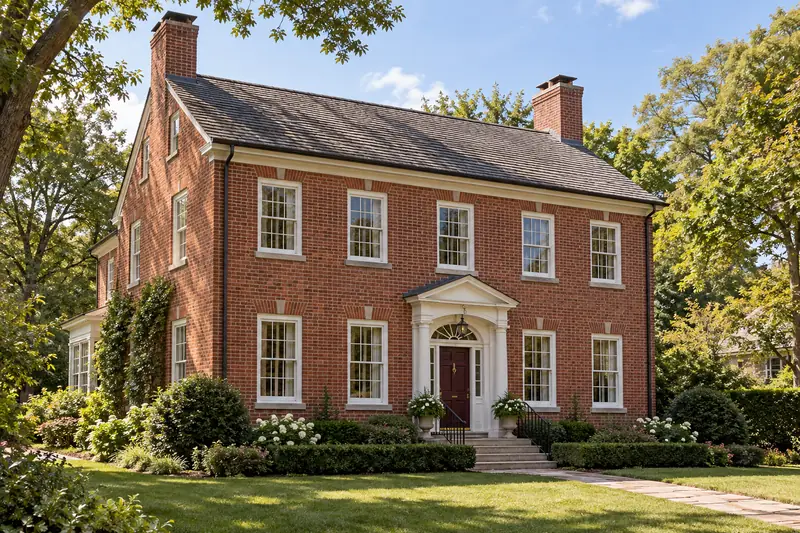
Separate recognition from requirements
The National Park Service distinguishes federal recognition from state and local preservation rules. National Register listing alone does not restrict a private owner’s work under federal law. Federal funding, permits or other involvement can introduce separate review, and state or local protections may also apply.
For insurance planning, avoid reducing this to a single yes-or-no question about whether a house is “historic.” A property may have several designations or obligations at once. Obtain the actual documents and identify who administers each requirement.
| Record | What to establish | Who to ask |
|---|---|---|
| National Register record | Individual listing or a role within a listed district | State Historic Preservation Office |
| Local designation | Applicable approvals and repair requirements | Relevant preservation authority |
| Easement or agreement | Specific recorded obligations affecting the property | Agreement holder and qualified adviser |
| Insurance proposal | How covered work would be valued and paid | Insurance professional and insurer |
Describe the home you actually live in
Tell the insurance professional whether the house is your primary residence, a seasonal home, a rental or currently empty. Mention any paying guests, events, business use or planned change in occupancy. Do not describe the house as a museum merely because it has a plaque.
This site focuses on homes used as private residences. If you plan to start tours, host events or operate accommodation, ask for a separate review before that activity begins. A residential quote should not be assumed to address a different use.
Ask a concrete repair question
Rather than asking only “Does historic status affect insurance?”, identify a feature that matters. Ask the preservation authority what approvals or materials would be required if that feature were damaged. Then ask the insurance professional how the proposed policy addresses that specific repair.
Illustrative example: a porch restoration
An owner discovers a historic designation while shopping for insurance. The owner obtains written guidance on porch repairs and gives that guidance, photographs and a construction description to the insurance professional. The next step is to compare the requirements with the proposal, rather than assume either automatic reproduction coverage or automatic rejection.
Timing matters as well. Ask how approvals, contractor availability and any rebuilding deadlines interact. Keep written answers with the policy so that the reasoning behind the placement remains available later.
Build a small designation file
Keep the designation record, relevant agreements, contact details for the administering authority and any written repair guidance together. Add the insurance proposal and the questions still awaiting a written answer. If a legal restriction is unclear, obtain appropriate property-specific advice before making an irreversible change.
Next, compare replacement-cost and functional-replacement terms. The existence of a preservation rule and the existence of insurance for its cost are separate questions.
Bring these questions together with the historic-home coverage overview before comparing a proposal.
Sources
- National Register of Historic Places: frequently asked questions, National Park Service
- How to list a property in the National Register, National Park Service
This page is general information, not legal advice or a coverage decision. Your policy wording and your state's law control.