
Replacement cost for historic homes: insuring the details that matter
The dwelling limit is only half the question. How a policy values plaster, millwork and slate after a loss matters just as much.
The short answer
A useful historic-home quote starts with two things: a realistic rebuilding estimate and a clear understanding of the policy’s loss-settlement terms. The purchase price, tax assessment and mortgage balance are not substitutes for a building-specific insurance review.
On this page
Read the settlement language before comparing prices
Ask for the proposed policy wording and applicable endorsements. A quote summary can show a dwelling limit without explaining how a particular roof, plaster ceiling or damaged window would be valued. Compare the building, roof and belongings separately because the settlement terms may differ.
| Term | General meaning | Question for your quote |
|---|---|---|
| Replacement cost | Covered repair or replacement using similar kind and quality, subject to contract conditions. | How would this apply to custom millwork, plaster and the actual roof material? |
| Functional replacement | Materials may provide similar utility with a different appearance. | Which historic finishes could be replaced with modern alternatives? |
| Actual cash value | Depreciation is considered in the value of a covered loss. | Which items receive this settlement and how is depreciation determined? |
Replacement cost is not an automatic promise to reproduce every historic detail. The Massachusetts Division of Insurance explains the distinction between similar kind and quality and functional replacement. The NAIC explains how depreciation separates actual cash value from replacement-cost coverage. The proposed contract still controls your situation.
Start with a three-feature inventory
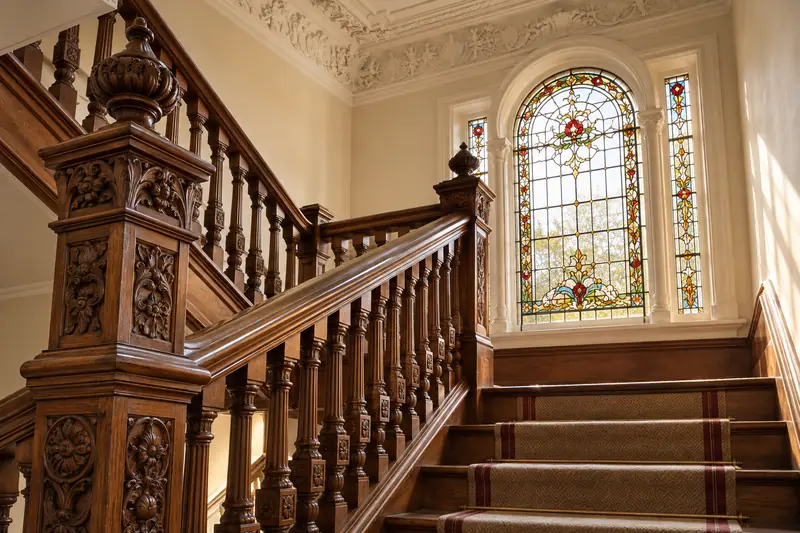
Choose the three features you would be least willing to lose. Examples include a carved staircase, stained-glass windows or a slate roof. For each, record the material, size, condition, photographs and any specialist assessment you already have.
- Ask whether the rebuilding estimate actually includes that feature.
- Ask whether repair, replication or a modern substitute is contemplated by the policy.
- Ask about matching nearby undamaged finishes and any relevant exclusions.
- Keep the insurer’s written explanation with the proposal and policy documents.
A photograph of an entire room may not show the detail a restorer needs. Include an overall view and a close view, and identify the room or exterior elevation. Do not remove original materials or commission invasive work merely to complete an insurance inventory.
Separate cost, coverage and restoration goals
A restoration estimate describes the work you want done. An insurance estimate helps establish an amount of insurance. A policy establishes which causes of loss and expenses are covered. Keep those three documents together, but do not treat them as interchangeable.
Ask how debris removal, specialist labor, temporary housing, code-related work and any coverage above the stated dwelling limit are addressed. Confirm whether additional amounts have conditions, caps or exclusions. Do not assume that an extended or guaranteed replacement provision eliminates every possible shortfall.
Illustrative comparison: the plaster ceiling
Two proposals show the same dwelling limit. One homeowner asks each insurer how a damaged ornamental plaster ceiling would be treated, whether a plain replacement could be used, and whether adjoining finishes matter. The written answers make the comparison more useful than the premium alone. This is a hypothetical example, not a claim outcome.
Bring the estimate and policy together
Before you accept a proposal, highlight any mismatch between the estimate and the description of the house. If the estimate lists basic finishes where the home has custom work, ask for a review. If your restoration preference is broader than the proposed contract, ask what alternatives can be considered and what costs you may need to fund yourself.
Then review code and preservation requirements. A policy’s method of valuing damaged materials does not by itself answer how mandatory upgrades would be handled.
Bring these questions together with the historic-home coverage overview before comparing a proposal.
Sources
- Frequently asked questions about homeowners insurance, Massachusetts Division of Insurance
- What is the difference between actual cash value coverage and replacement cost coverage?, National Association of Insurance Commissioners (NAIC)
This page is general information, not legal advice or a coverage decision. Your policy wording and your state's law control.