
Historic home styles and what they mean for insurance
From Victorian houses to modest bungalows: describe the actual features, not assumptions about the style.
The short answer
Architectural style can help you notice features worth documenting. It cannot confirm hidden systems, eligibility or rebuilding cost. Use actual materials, original details, additions and update records for the insurance review.
On this page
Use the style to notice details
A style name helps describe a house, but it does not confirm its framing, wiring or plumbing. A Colonial-looking home can be a later revival, and a modest cottage can contain expensive original finishes. Additions and renovations can combine several construction periods.
For insurance, start with the materials and features you can document. Avoid guessing concealed systems from a facade.
| Appearance or style | Features worth documenting | Coverage question |
|---|---|---|
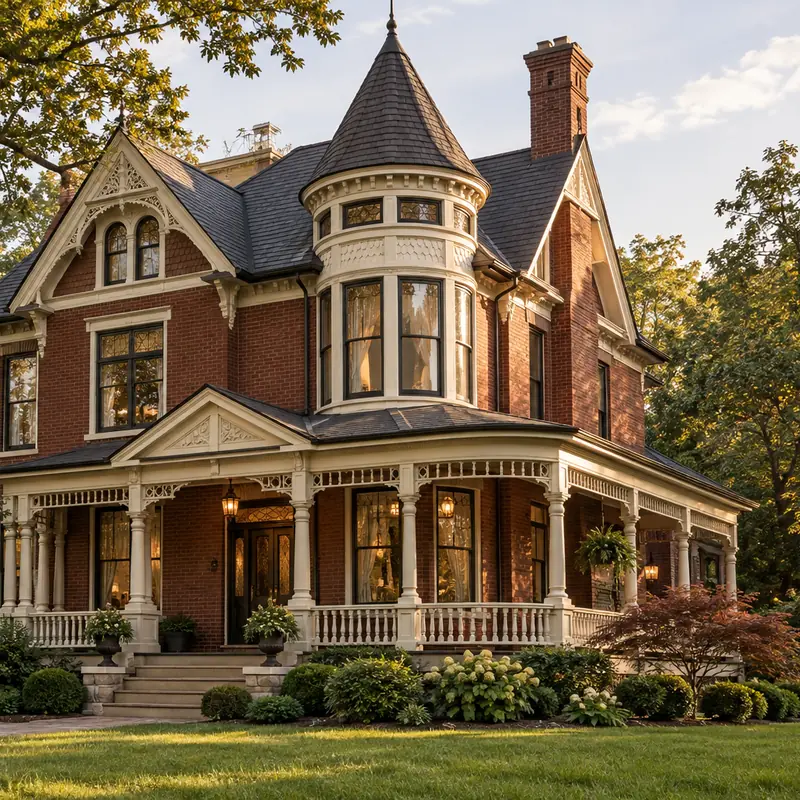
| Victorian or Queen Anne | Decorative trim, porches, towers and complex rooflines | Does the estimate reflect the actual geometry and craftsmanship? |
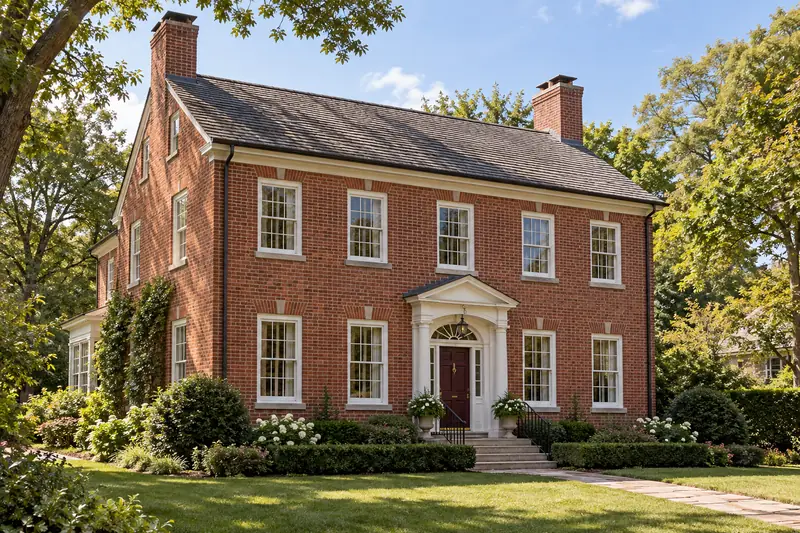
| Colonial or Federal appearance | Masonry, wood windows, mantels and interior finishes | How would the original materials be repaired or replaced? |
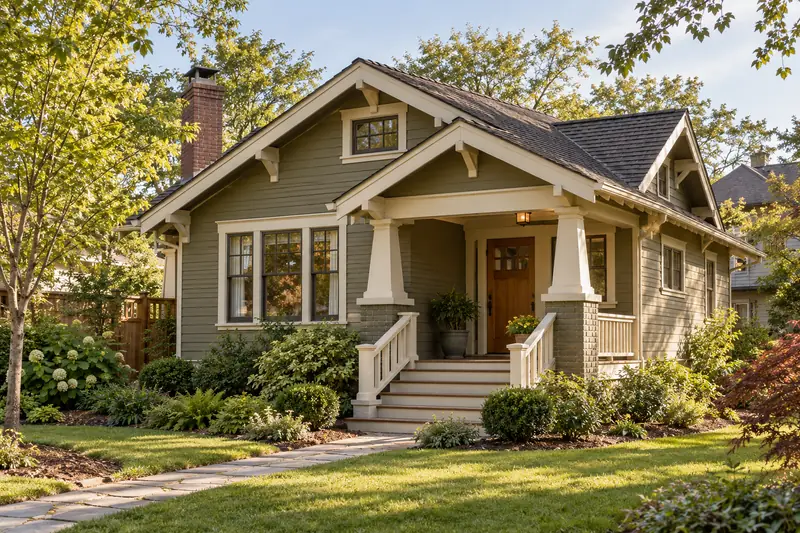
| Craftsman or bungalow | Built-ins, exposed wood details and porch features | Are built-in features represented as part of the building? |
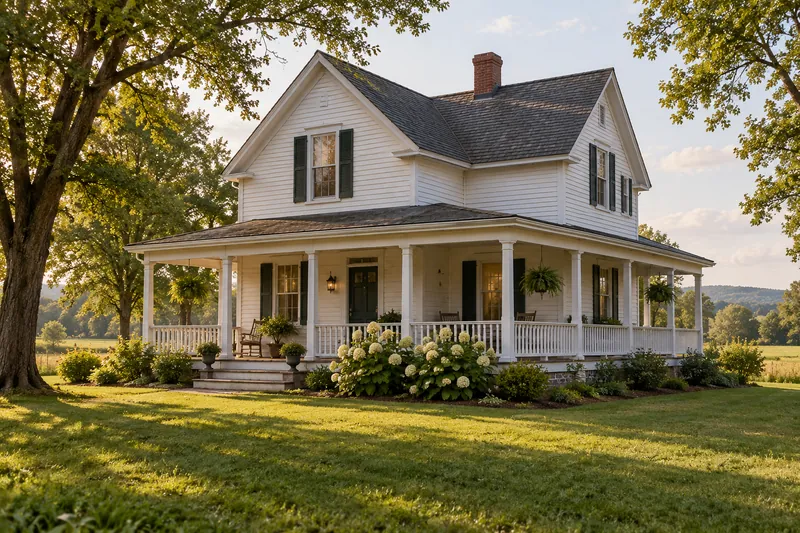
| Farmhouse | Porches, additions, outbuildings and changes in construction | Which buildings and finishes are included in the estimate? |
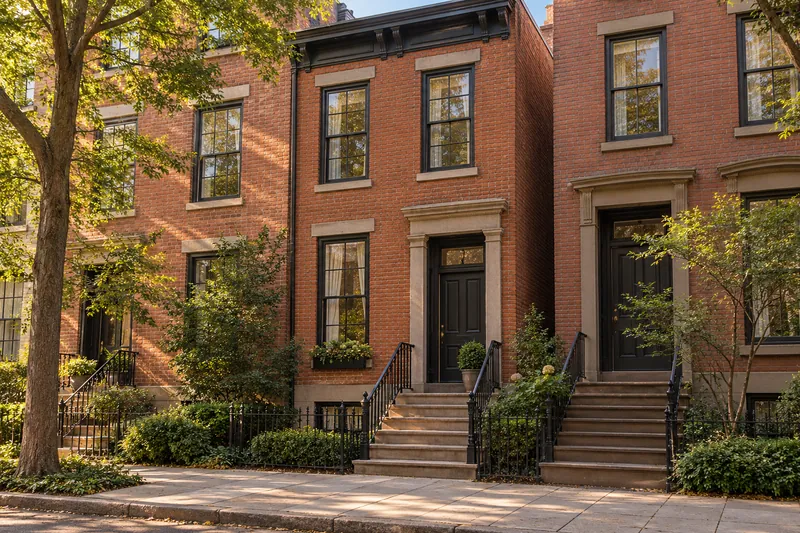
| Brick row house | Masonry, cornices, windows and shared building features | How are the property boundaries and shared responsibilities described? |
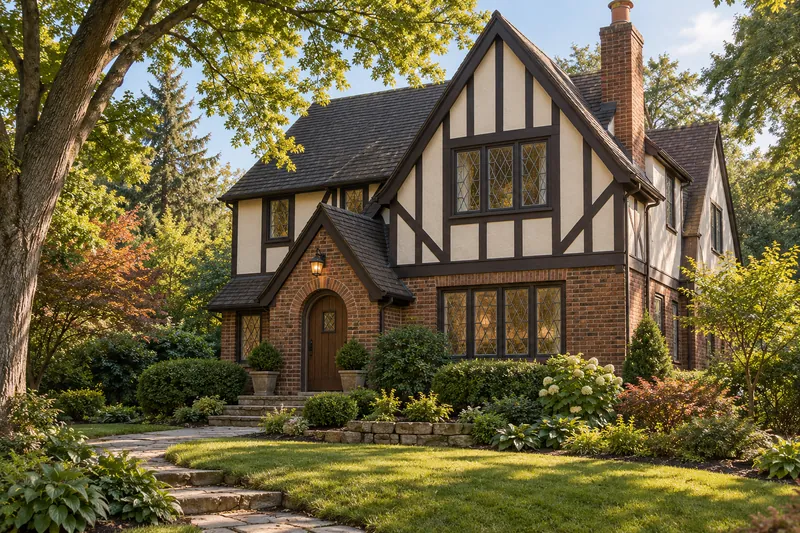
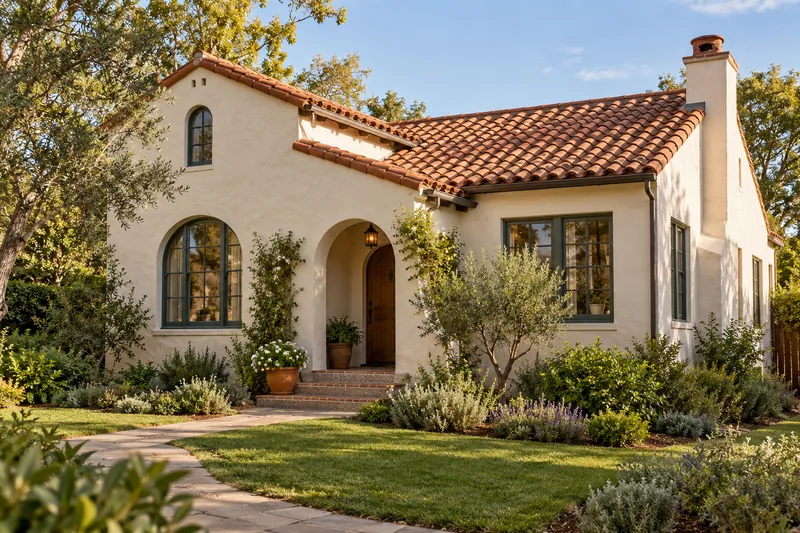
| Tudor or Spanish revival | Decorative masonry, stucco, slate or tile where present | How are repair methods and matching handled? |
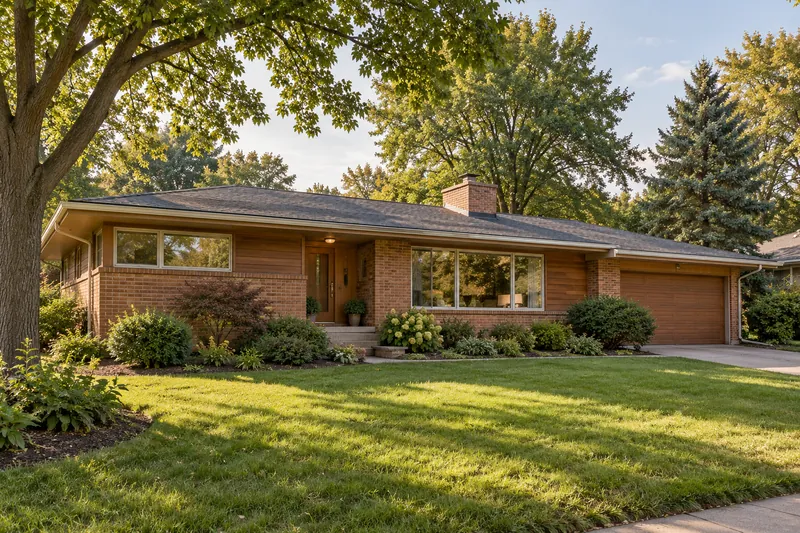
| Mid-century or ranch | Custom glazing, unusual spans or low-slope roofs where present | Does the estimate reflect these specific features? |
These are observation prompts, not statements that every home in a style has those materials.
A range of homes, a range of details
These fictional examples show eight architectural types. They are not an exhaustive style catalogue and do not establish a property’s designation or insurance eligibility.
A grand house is not the only historic home
A small bungalow or cottage can have original woodwork, masonry or windows worth documenting. Insurance questions should follow the actual property and restoration priorities, not the size of the house or an assumption that historic means a mansion.
Designation is a separate record
Architectural character does not establish National Register listing or a local designation. The National Park Service describes a formal evaluation process involving significance and integrity. Age by itself does not prove a property qualifies.
If a designation, easement or agreement applies, obtain the records. See National Register homes and insurance for the distinction between recognition and requirements.
Build a three-feature inventory
Choose three features you would most want to preserve after damage. Photograph the overall setting and an accessible close view. Record materials, dimensions if known, and any specialist assessment. Add the features to the rebuilding-estimate review.
Compare replacement-cost and functional-replacement terms, and use the materials record guide to separate the original house from later updates. Illustrations on this page are fictional architectural examples, not customer properties or construction evidence.
Sources
- National Register of Historic Places: frequently asked questions, National Park Service
- How to list a property in the National Register, National Park Service
- Frequently asked questions about homeowners insurance, Massachusetts Division of Insurance
This page is general information, not legal advice or a coverage decision. Your policy wording and your state's law control.