
HO-8 policy: modified coverage for older homes
Understand the modified form and compare its settlement terms with your restoration priorities.
The short answer
HO-8 is a modified homeowners form often associated with older homes. Its covered causes of loss and loss-settlement terms require careful comparison. The form name does not establish full historic restoration coverage.
On this page
What the label tells you
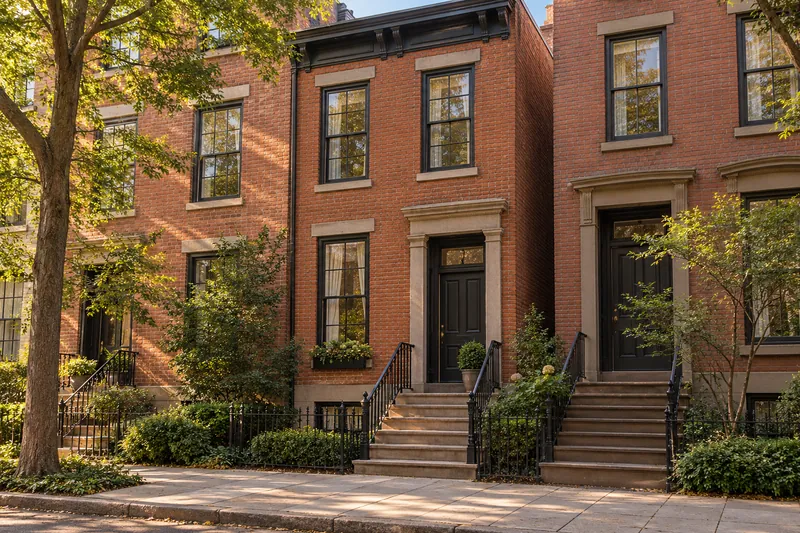
HO-8 commonly refers to a modified homeowners form associated with older homes. The Alabama Department of Insurance describes it as designed for older homes and explains that reimbursement can differ from other homeowners forms. It should not be mistaken for a special promise to reproduce original architectural details.
An insurer may use its own version and endorsements. Obtain the offered policy wording rather than rely on the label alone.
Compare five parts of the proposal
| Part | Ask before accepting |
|---|---|
| Causes of loss | Which events are covered and which are excluded? |
| Building settlement | How are damaged materials valued, and are modern substitutes contemplated? |
| Roof terms | Is the roof treated differently from the rest of the building? |
| Other coverages | What applies to belongings, loss of use, liability and other structures? |
| Conditions and limits | Which deductibles, sublimits, inspections and repair requirements apply? |
Read the declarations, base form and endorsements together. A quote summary may show limits without the conditions that govern a claim.
Historic restoration is a separate question
If you want ornamental plaster, stained glass or custom millwork reproduced, identify those features before accepting a proposal. Ask how the policy responds to the actual materials and what costs may remain yours. A modified settlement basis can differ from your preferred restoration outcome.
The loss-settlement comparison separates replacement cost, functional replacement and actual cash value. The glossary provides a quick definition, but the contract supplies the answer for a claim.
Consider alternatives using the same facts
Other homeowners forms, specialty programs, dwelling policies or surplus lines proposals may be relevant depending on the property, use and market. None is automatically better because of its name. Compare the same rebuilding information, occupancy and known conditions across the proposals that are actually available.
Ask about total cost, including applicable taxes and fees, and any differences in regulatory or guaranty-association protection. If an HO-8 offer is the only proposal currently available, make the limitations an explicit decision rather than assuming the dwelling limit settles every concern.
Before relying on coverage
Confirm the effective date, binding requirements and any inspection or repair conditions. A discussion or quote request does not create insurance. If a nonrenewal deadline prompted the search, keep that deadline visible while evaluating the terms.
Sources
- Homeowners insurance policy forms, Alabama Department of Insurance
- Frequently asked questions about homeowners insurance, Massachusetts Division of Insurance
- Surplus lines, National Association of Insurance Commissioners (NAIC)
This page is general information, not legal advice or a coverage decision. Your policy wording and your state's law control.